

Breaking the Silence in Residential Care -
The Policy Paper
Release 15th January 2026
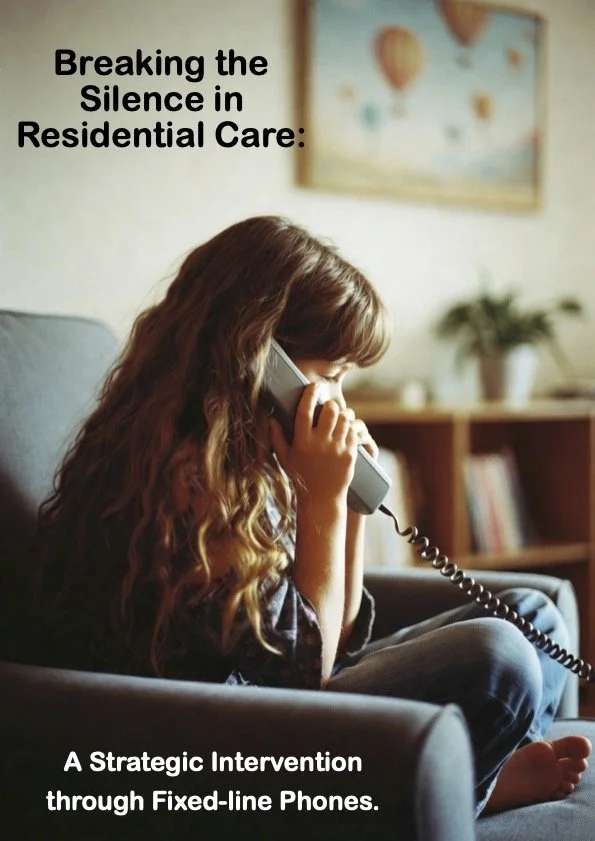
The Analysis
Drawing on military strategic doctrine, raw personal testimony, cross-jurisdictional case studies rarely applied to child protection, and insights gathered from advocates, former residents, and professionals nationwide, Lucas Hope illuminates overlooked structural flaws and proposes a deceptively simple yet profoundly disruptive solution: tamper-proof Hopeline Phones in every residential home.
This is not another cautious review. It is a bold, elegantly argued call to break the silence—giving vulnerable children the independent voice they have been denied, and offering the system a pivotal centre of gravity for lasting reform.
The paper has been in the works for over 2 years.
The 31-page policy paper—crafted over more than two years of relentless research, frontline experience, and wide-ranging engagement with stakeholders across Australia—dares to venture where few reports have gone before.
With unflinching candour and an unconventional lens, it peels back the hidden layers of South Australia’s residential care system: the locked office phones that silence children, the revolving-door carers that fracture trust, the mediated pathways that stifle disclosures, and the quiet institutional indifference that allows harm to persist.
A strategic intervention designed to break institutional silence, empower young voices, deter harm, and save lives. A small change with profound consequences.
Immediate empowerment – children gain the confidence to speak up, knowing help is always just one call away.
Stronger connections – reducing isolation and nurturing trust in a system that too often feels distant.
Proactive protection – encouraging early intervention, enhancing accountability, and creating safer environments.
Restored dignity – offering the same reassuring lifeline many of us remember from childhood home phones.
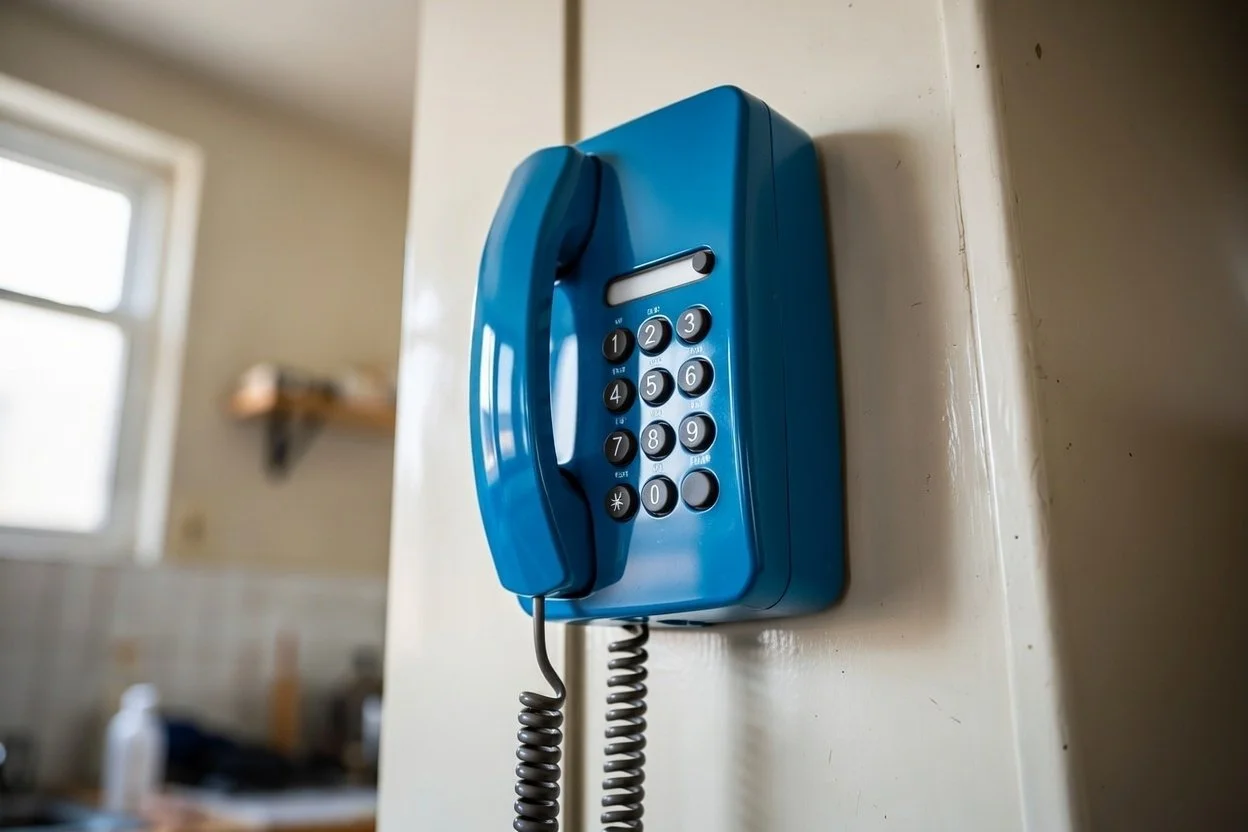
HOPELINE PHONES
An Australian First.
There is no other jurisdiction in Australia that has done this. The only other precedent is overseas
Will give kids in state care access to the Kids Helpline.
As it stands, kids in state care dont’ get access toithe kids ‘Helpline
The policy aims to reduce abuse and neglect rates in South Australian care Homnes
The Rate of abuse and neglect in state care homes in South Australia as of 2024/25 is 4.2%. Thats’ 1 in 25 kids in state care.